
Festival season is here, which means music, friends, dancing, questionable food choices, and pretending that…
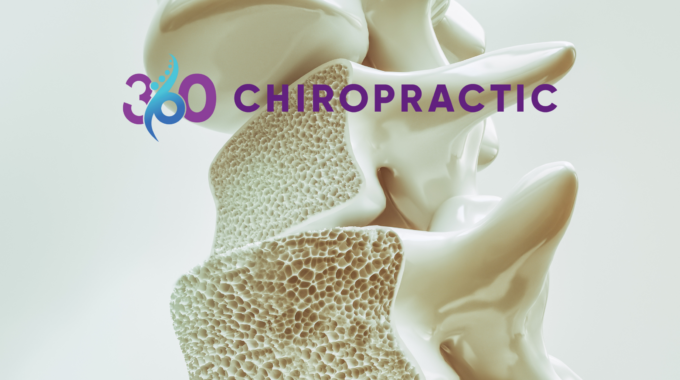
National Osteoporosis Month
Strong Bones, Confident Movement, and Staying Independent
June is National Osteoporosis Month, which is your friendly reminder that bone health matters just as much as muscles, joints and mobility. We can talk about posture and movement all day long, but if the structure underneath is becoming more fragile, we need to pay attention.
Osteoporosis is often called a “silent condition” because many people do not realise they have it until they experience a fracture. Not the ideal way to get a diagnosis.
What is Osteoporosis?
Osteoporosis is a condition where bone density reduces, making bones weaker and more likely to fracture. Fractures can happen from everyday slips, trips and falls, and common areas include the wrist, hip and spine.
Why is Osteoporosis More Common in Women
Osteoporosis is more common in women largely because oestrogen helps protect bone density. When oestrogen levels drop, bone loss can speed up. The biggest trigger for this is menopause. That does not mean it is inevitable, but it is a good reason to be proactive.
Early Signs to Be Aware Of
Osteoporosis can be silent, but some early warning signs people mention include:
- fractures from low-impact events
- loss of height over time
- back pain or bone pain
- reduced grip strength
- muscle cramps
- brittle fingernails
- receding gums
These symptoms can have other causes, so they are not a diagnosis. They are a prompt to speak to your GP if you are concerned.
What You Can Do to Support Bone Health
A simple, consistent approach makes the biggest difference.
Move regularly with weight-bearing exercise
Bones respond to load. Walking, stairs, dancing and strength training all help. You do not need to launch into high impact workouts overnight, just build gradually.
Add strength and balance work
Reducing fall risk is a huge part of preventing fractures. Think sit-to-stands, heel raises, and gentle balance practice.
Support nutrition with calcium and vitamin D
Calcium supports bone structure and vitamin D helps absorption. If you are unsure about vitamin D, check in with your GP or pharmacist.
Look after posture and spinal health
Strong postural muscles and good movement habits help you stay upright and mobile, especially as the spine can be affected by osteoporosis.
Can Chiropractic Help With Osteoporosis?
Yes, with important boundaries. Chiropractic does not treat osteoporosis itself, but it can support people by:
- improving mobility and flexibility
- supporting posture
- advising on safe, appropriate movement and exercise
- helping reduce fall risk through strength, coordination and stability work
- providing gentle, tailored care based on medical history
With osteoporosis, care must be adapted carefully. It is often part of a wider approach alongside your GP and, when needed, other healthcare professionals.
Bone health is not just about avoiding fractures. It is about maintaining confidence, independence and the ability to keep doing the things you enjoy.
If you have concerns about bone health, speak to your GP for assessment and guidance. If you would like support with posture, movement, mobility or confidence as you stay active, get in touch. And if it has been a while since you have been in, do not worry. We are always happy to welcome you back.
📞 07582 907702 | ✉️ info@360chiropractic.co.uk
📍 360 Chiropractic, 48 London Street, Reading
Related Posts



Comments (0)